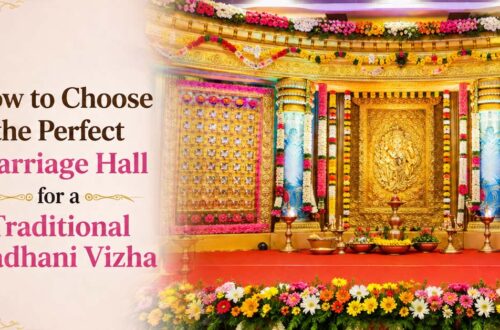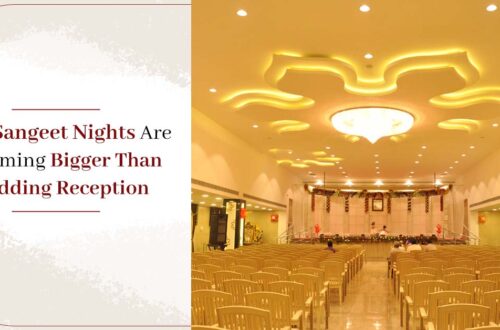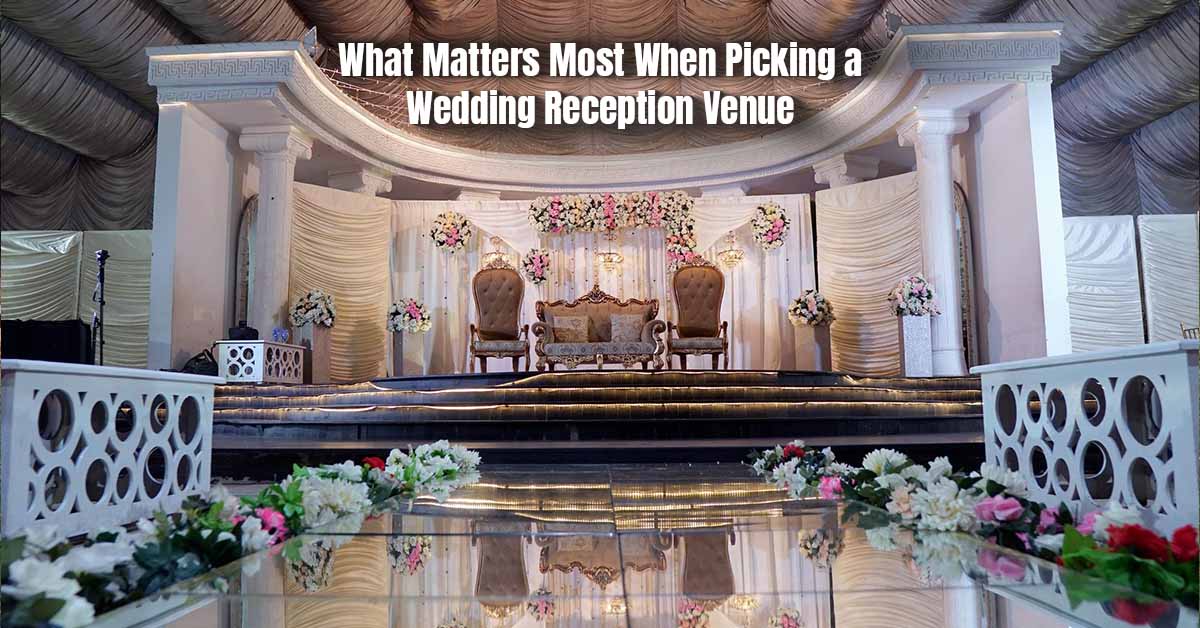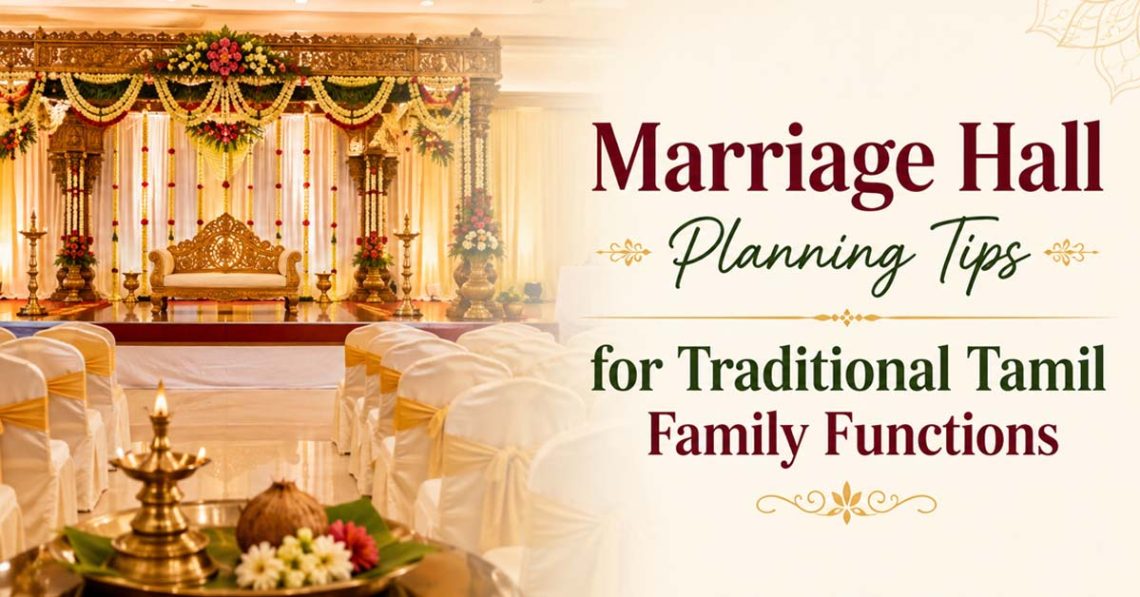
Ask anyone who has planned a Tamil wedding and they will tell you it rarely goes exactly to plan. There are rituals to honour, elders to keep happy, and a hall that somehow needs to hold all of it together, from the muhurtham mandapam to the reception stage later that evening. Families looking at Marriage Halls in Medavakkam usually figure out fairly early that this one decision, the venue, quietly decides half the others that follow. Where the Kasi Yatra happens. Where the Nadaswaram artists set up. Even how the seating gets arranged for three hundred relatives who all seem to arrive at once. Get the hall right, and a lot of the later chaos sorts itself out. In this blog, we will take a closer look at what actually matters when choosing and planning a marriage hall for a traditional Tamil family function.
Rituals First, Decor Later
Most wedding guides jump straight into flowers and lighting. That order doesn’t really work for a traditional ceremony. A Tamil wedding follows its own sequence, Kanyadhanam, Mangalya Dharanam, Saptapadi, and often a separate Reception after, and each part needs its own breathing room. Before signing anything, sit with your purohit and go through the full ritual list together. Note the floor space each segment needs, the stage height, the flow between one ritual and the next. A mandapam that looks stunning in photos but was never built for three straight hours of ceremony, with priests, family, and cameramen all fighting for the same square footage, will show its limits fast.
Guest Numbers Never Stay Small
Nobody plans a small Tamil wedding, not really. Relatives from three cities, neighbours from childhood, colleagues, community elders, the list grows on its own. Undercounting guests is probably the single most common mistake families make. A hall marketed as seating five hundred can feel packed and airless at seven hundred. So ask for the real peak capacity, not the number printed in a brochure somewhere. A few things worth checking before you commit:
- Does the hall separate dining from the ceremony area, so meals don’t cut into rituals midway
- Is there enough parking for a few hundred vehicles without cars spilling onto the main road
- What happens if guest numbers climb closer to the date, is there a backup plan
Muhurtham Timing Isn’t Flexible
Traditional weddings run on muhurtham windows, and these can land at strange hours, sometimes well before sunrise. A venue needs to be genuinely ready for this, not just on paper. Full staff, working lights, catering set up and running, all before most of the city wakes up. It’s worth asking directly whether the hall has actually handled early morning muhurtham events before, rather than assuming. Some venues quietly charge more for odd hours, or thin out their staffing, and that’s something to get in writing rather than take on faith.
Walk the Kitchen Before You Book
Food carries real weight in a Tamil function, often served the traditional way on banana leaves across multiple sittings, breakfast, lunch, dinner, sometimes all three in one day. Which means the kitchen matters just as much as the mandapam does. No brochure will tell you this properly, so go see it yourself. Check how close the kitchen sits to the dining hall, how the ventilation holds up, and whether outside caterers are even allowed if your family already has one they trust. Some venues lock you into an approved vendor list, which can quietly limit what dishes end up on the menu.
Room for the Cultural Moments
Music, dance, and welcome traditions like Poorna Kumbham all need their own space, somewhere that doesn’t turn into a traffic jam the moment guests start moving. An entrance that photographs beautifully can still become a bottleneck when fifty people arrive together for a formal welcome. Walk the corridors and staircases with actual movement in mind, not just how they’ll look in pictures.
Keeping the Budget Honest
Costs have a way of creeping up once decorators, caterers, and photographers all get involved. A few habits help keep that in check.
- Ask for an itemised quote, hall rent, electricity, cleaning, kept separate from vendor costs
- Find out what’s included by default, basic lighting or a green room, versus what gets billed as an extra
- Look at two or three venues before locking a date, since wedding season prices climb fast in Chennai
Staying traditional doesn’t mean spending more. A lot of families get the authentic look through simpler things, flower garlands, brass lamps, familiar seating arrangements, without ever touching imported décor.
Don’t Forget the Elders and the Little Ones
A Tamil family function usually brings three or four generations into one hall. Elderly guests need ramps, not stairs. Children need a corner that’s safe and away from the main rush. It’s easy to lose sight of this while chasing décor and photo spots, yet it shapes guest comfort more than almost anything else on the day. A simple question to the venue manager, ramp access, lift availability, a quiet resting spot, can save a lot of last-minute scrambling.
A Venue That Actually Understands the Culture
A hall that has hosted dozens of Tamil weddings already knows what’s coming. Staff who understand muhurtham timing, ritual order, and community customs make the day run without the family having to explain everything twice. That kind of experience matters more than any aesthetic upgrade when the goal is a stress free traditional function.
At SGR Mahal, we’ve spent years hosting Tamil weddings the way families actually want them run, rituals respected, guest counts handled without compromise, catering and timing managed with real attention rather than guesswork. Families exploring marriage halls in Velachery often end up choosing us for exactly this reason, we treat tradition as the starting point, not something to work around. If you’re planning a wedding built on Tamil customs, we’d be happy to walk you through how our halls are set up to support every part of it.